


























theguardian.com · 7 min
0
The UK's social media ban for under-16s requires age verification, which critics say forces platforms to collect even more personal data, effectively handing big tech a new surveillance infrastructure.
privacy & surveillance roundupSaturday 20 June 2026
Today's privacy news is a study in unintended consequences. The UK's under-16 social media ban, meant to protect kids, hands big tech more data and control. Meanwhile, leaks and new surveillance tech show the gap between what's promised and what's actually happening.
In today's edition: Bans and blowback, Secrets and leaks and Facial recognition spreads.
A well-intentioned UK ban on social media for kids may end up strengthening the very companies it targets.
theguardian.com · 7 min
The UK's social media ban for under-16s requires age verification, which critics say forces platforms to collect even more personal data, effectively handing big tech a new surveillance infrastructure.
Two stories today reveal the gap between promises of privacy and reality: a secretive elite network exposed, and a data broker tool that tracks everything from phones to pets.
share.google · 8 min
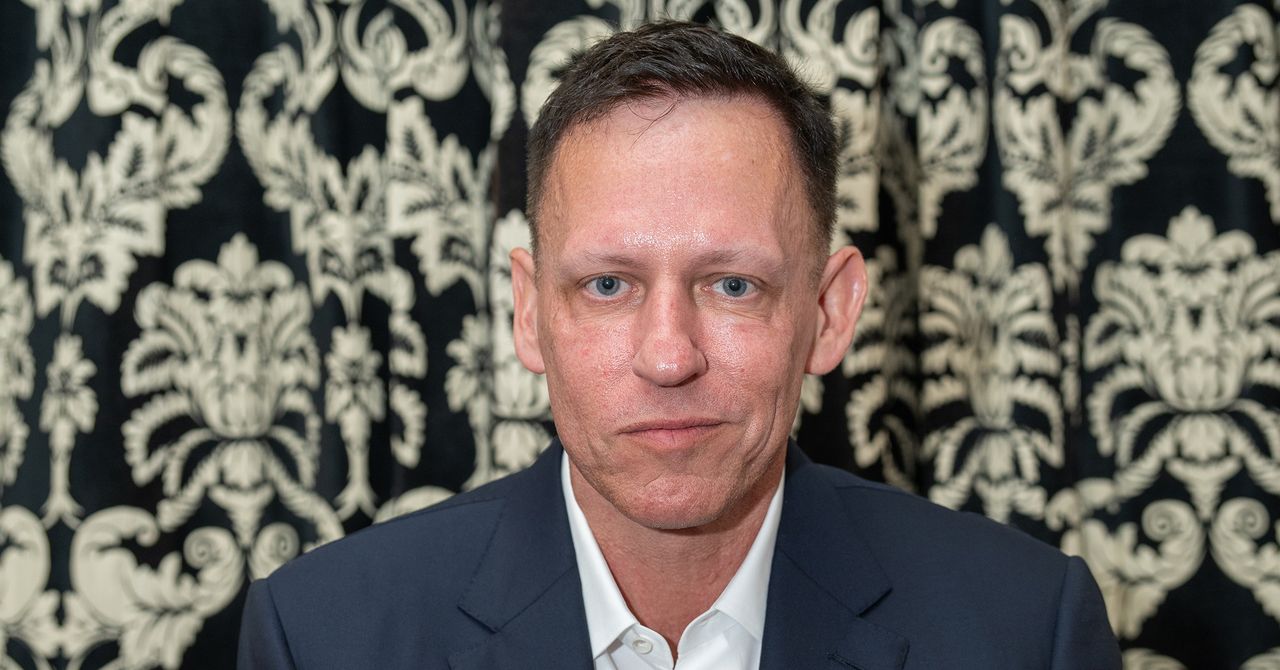
A leak of Peter Thiel's secretive Dialog society reveals over 200 elite members and personal details, underscoring how the powerful expect privacy while their companies erode it for everyone else.
thedrive.com · 3 min
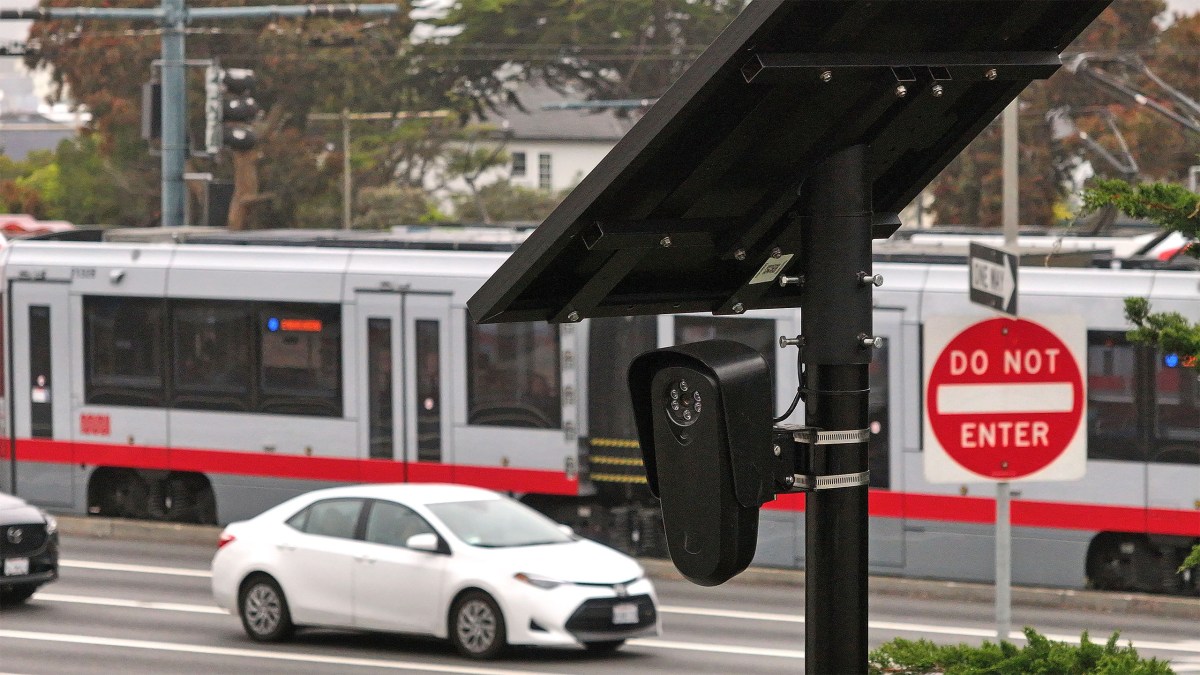
Leonardo's SignalTrace combines license plate readers with device tracking, letting data brokers and law enforcement monitor phones, wearables, and even pet microchips, a massive expansion of automated surveillance.
Live facial recognition is going mainstream, with police in Australia and venues in the US pushing ahead despite privacy concerns.
abc.net.au · 7 min
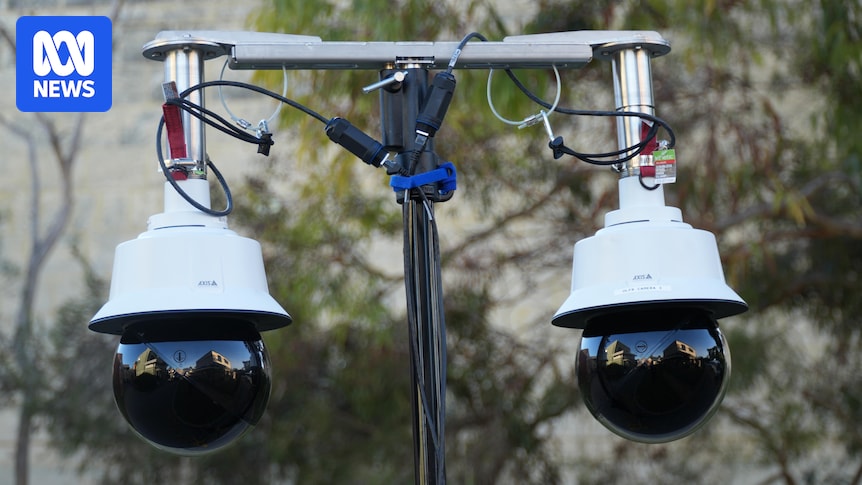
Western Australia Police will trial live facial recognition in public spaces, scanning crowds against a watchlist of 4,000 people, a first for Australia that normalizes real-time biometric surveillance.
wired.com · 5 min
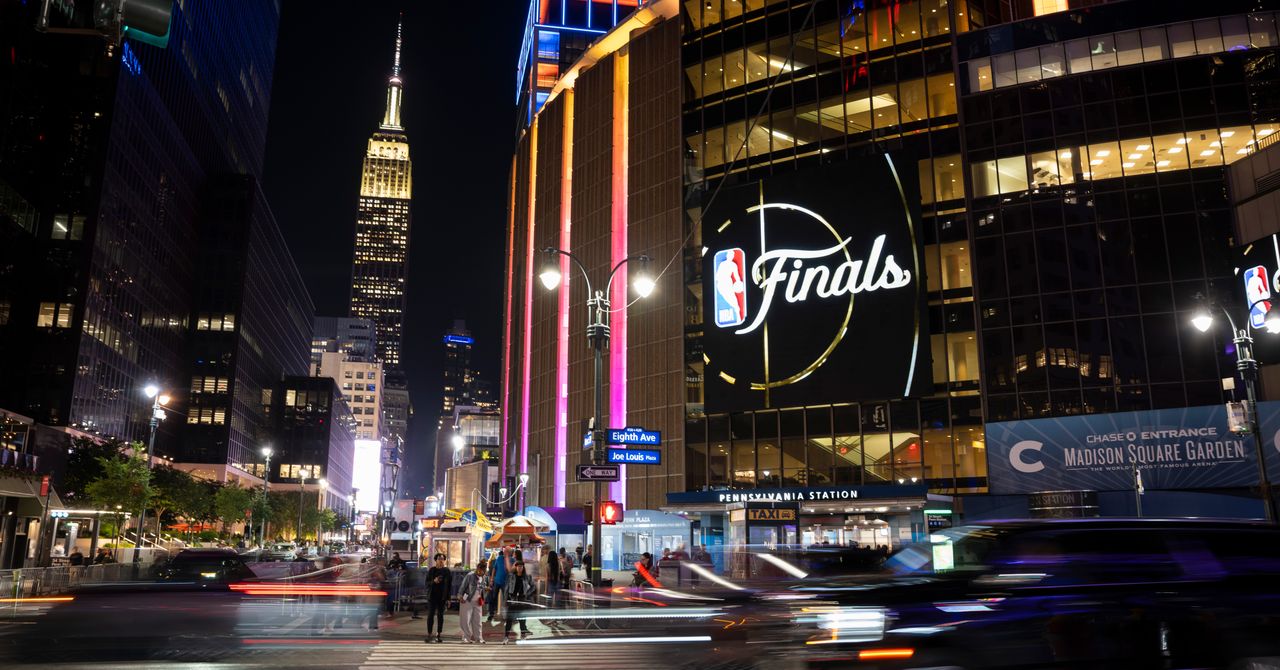
A Wired roundup notes Meta is testing face recognition from a military supplier for smart glasses, while gay bars in San Francisco are using face scanners, showing facial recognition is creeping into both policing and everyday life.